The age on the box is the most looked-at and least understood figure in the LEGO aisle. It is not a vague educational recommendation: it is a fairly mechanical classification driven by piece size, complexity of the instructions and expected patience. And when you put the whole range in a table — we have it in a database that is updated daily — the map that comes out is very revealing about where it is easy to get it right and where it is not.
These are the numbers for the sets with a complete page, as of 9 July 2026, grouped by the minimum age each box states:
- 1 to 3 years: 476 sets (Duplo territory).
- 4 to 5 years: 1,066 sets.
- 6 to 8 years: 3,562 sets — more than half of the entire range.
- 9 to 12 years: 1,068 sets.
- 13 years and up (almost all marked 18+): 511 sets.
The first lesson is already there: the range is shaped like a mountain with its peak at 6-8 years. If you are buying in that bracket, your problem will be too many options; at the extremes (2 years, 18 years) the range is shorter and the winners are clearer.
1-3 years: only Duplo exists here (and that is right)
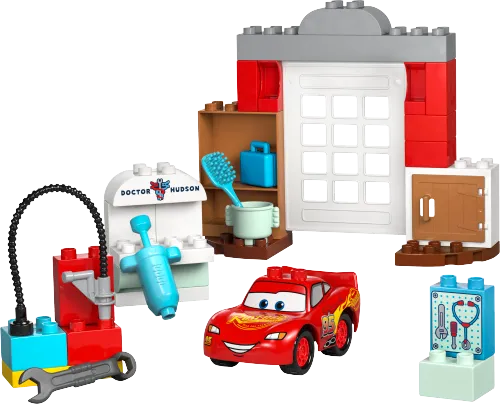
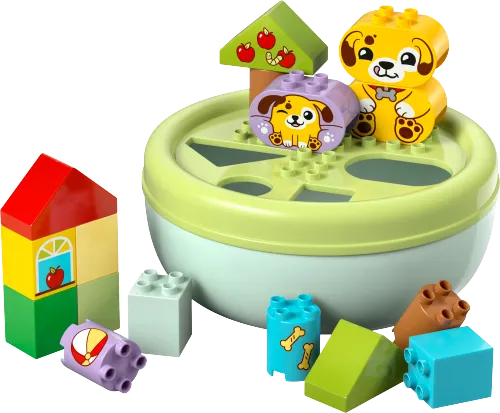
Under 4 the answer is always the same word: Duplo. Pieces twice the size, impossible to swallow, designed for hands that cannot yet do a fine pincer grip. Giving “normal” LEGO to a two-year-old is not getting them ahead — it is giving them something they cannot use and that their mouth can.
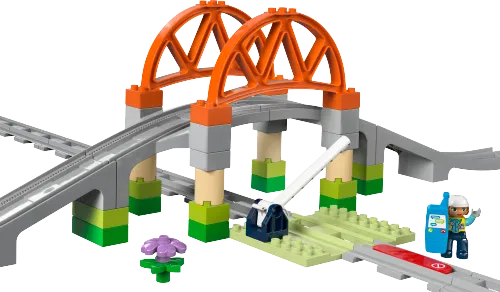
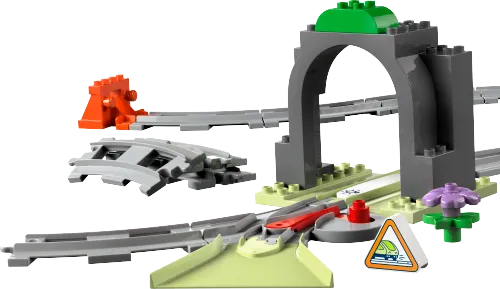
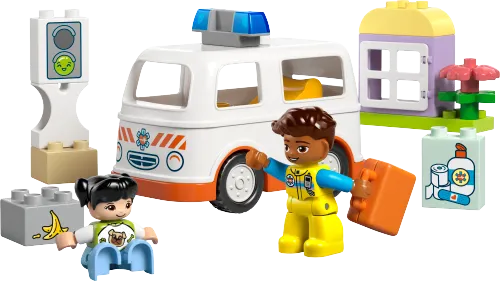
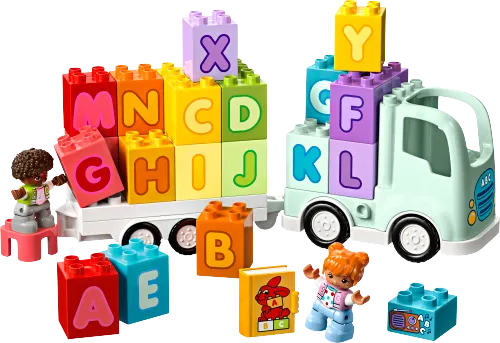
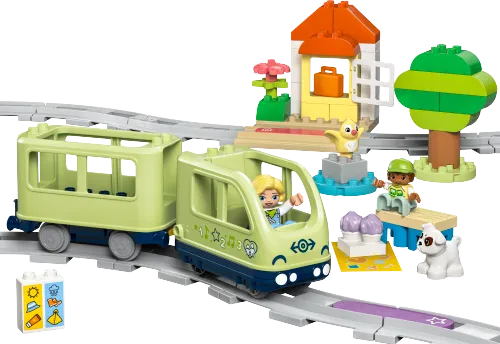
Within Duplo, the structural winner is the train: the Bridge and Tracks Expansion Set (10426) and the Tunnel with Tracks (10425) extend the classic circuit and are among the longest-lived sets in the range (retirements announced for 2029 and beyond, so they will still work for the younger sibling later). For a more modest gift, the Ambulance and Driver (10447) for 19.99€ official, and for the “toy that teaches” angle, the Alphabet Truck (10421). If there is a grandparents’ budget, the Interactive Adventure Train (10427) with lights and sounds is the star Duplo set.
4-5 years: the hinge, and the box that never fails
At 4 the transition to the small brick happens, and LEGO signals it with the 4+ tag: normal pieces but short builds, large pre-built bases and instructions with almost no text. It is the trickiest bracket for the gift-giver, because the same 4-year-old can find a 4+ set too easy or get frustrated with a 6+ set.
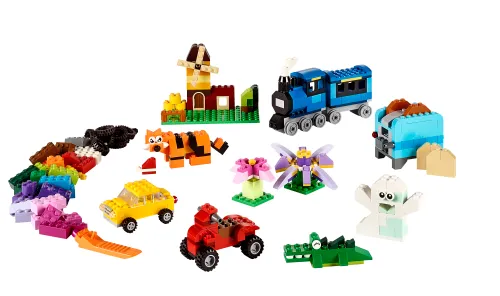
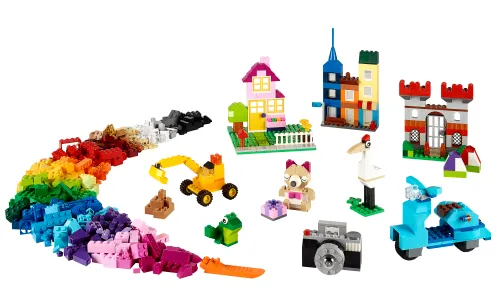
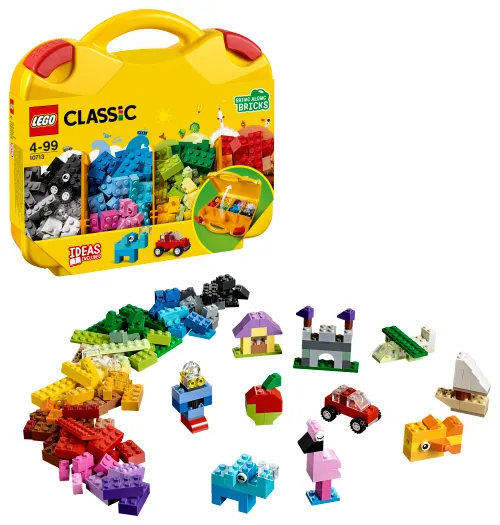
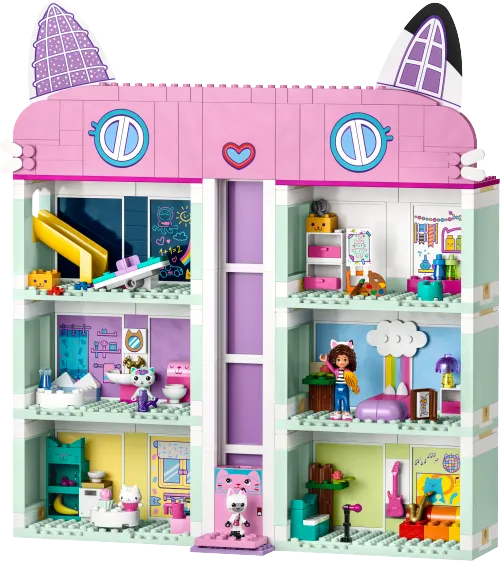
That is why our recommendation here is structural, not about franchises: loose bricks. The Medium Creative Brick Box (10696) (484 pieces, 29.99€) or the Large one (10698) (790 pieces, 49.99€) have no script and no difficulty level: each child builds at their own level, and they are the sets that survive the most years in a home. The Creative Suitcase (10713) is the same idea in a “take to the cousins’ house” format for 19.99€. And if the recipient has one franchise they clearly love, at this age it rules: Gabby’s Dollhouse (10788) is the example of a 4+ set that is a hit with its exact audience and says nothing to anyone else.
6-8 years: the peak of the range (3,562 options, one criterion)
More than half of all the LEGO that exists lives here, so the problem is not finding — it is filtering. Our preferred criterion for this age: that they can finish it on their own. The victory of completing the set without help is worth more than 200 extra pieces. In practice that means 200-500 pieces for the start of primary school and up to 800 for experienced 8-year-olds.
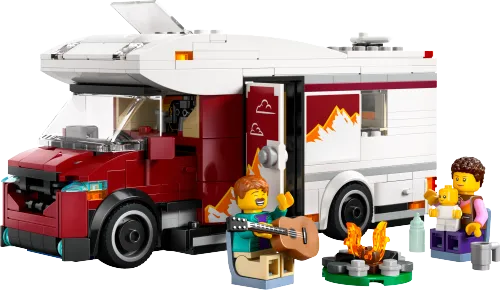
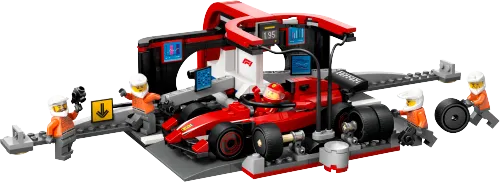
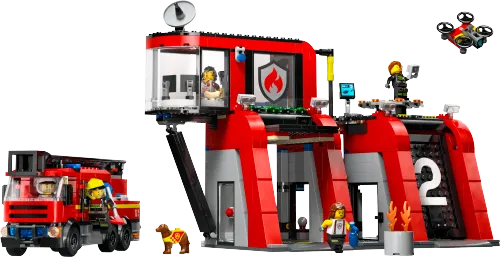
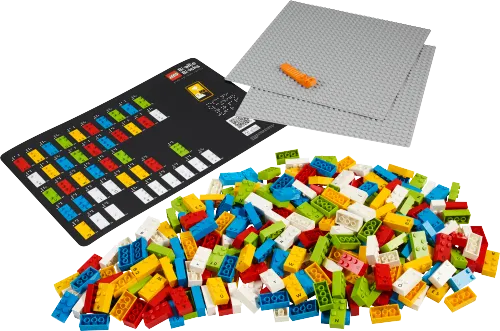
Specific winners with a good pieces-per-official-euro figure: the Adventure Camper Van (60454) (385 pieces, 29.99€) for the “cars and trips” child, the Pit Stop with Ferrari F1 Car (60443) for the one into racing, and the Fire Station with Fire Truck (60414) (843 pieces, 79.99€) as the big gift for this bracket — probably the best euro-for-euro children’s set in the entire range. A special mention, because almost nobody knows it: Play with Braille: Spanish Alphabet (40724), the official set with braille letters on the studs. It started out as educational material and is a gift with layers for any curious child — and obviously for families where braille is part of home life.
9-12 years: the leap to “builder”
From 9 to 12 the age sticker starts to mean something else: real building techniques (mechanisms, unusual geometries, long runs of small pieces) and sets that are displayed, not only played with. It is the golden age for giving LEGO, because play and display-shelf pride live side by side.
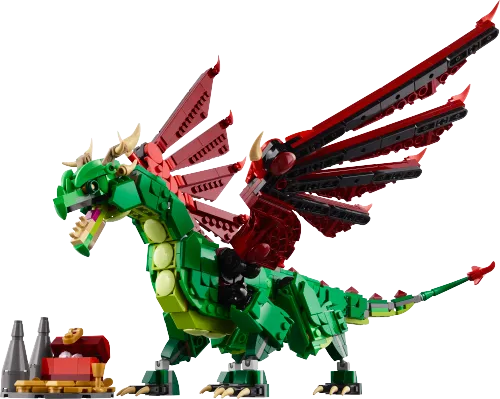
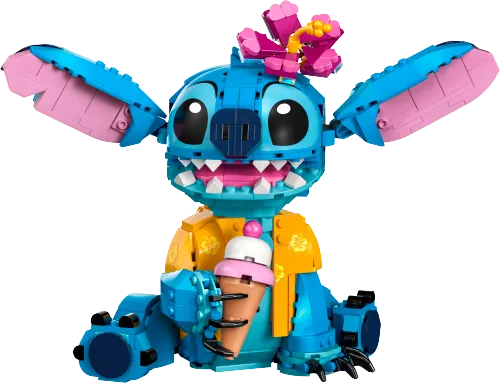
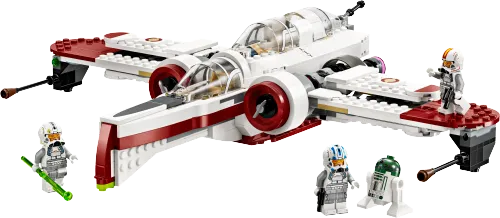
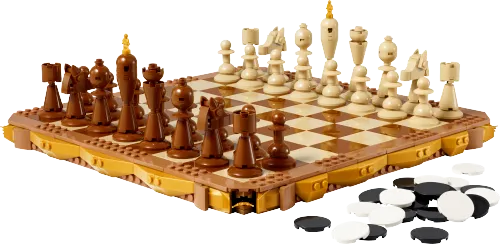
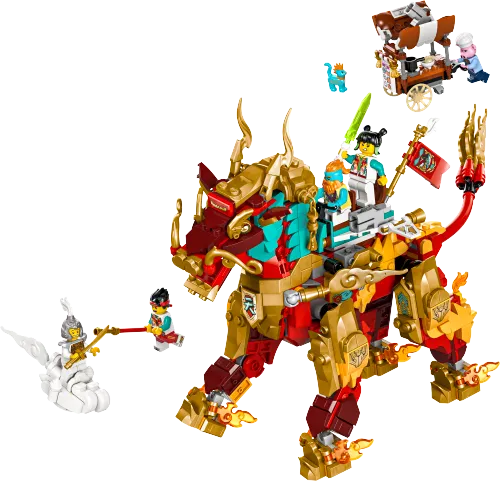
Four proven winners from the current range: the Medieval Dragon (31161) (715 pieces, 59.99€, and it is a Creator 3-in-1: spare castle included), Stitch (43249) for the Disney fan who wants a big figure, the ARC-170 Starfighter (75402) as an entry point to Star Wars without going overboard on price, and — our surprise card — the Classic Chess Set (40719): 743 pieces, a working board, and a gift that plays in two leagues (building + board game) for 74.99€. The Monkie Kid mechs, such as the Qilin Mythical Creature (80066), are the best-kept secret of this bracket: a huge spectacle, a little-known IP here, a modest price.
Adults: forget the sticker, ask or go for display pieces
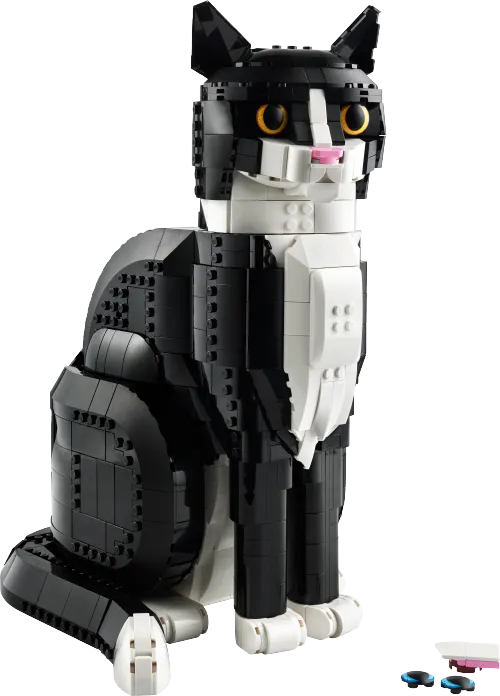
The 511 sets marked 13+/18+ are a world of their own where age no longer measures difficulty but intent: they are objects to display. Here there are two paths and only two. If the adult is already a fan, do not choose yourself: they have a wish list, ask for it (we cover this at length in the guide to a first LEGO set for adults). If they are not, the range has an entry point designed exactly for that: the Botanicals and the desk objects. The Bonsai Tree (10281) (878 pieces, 49.99€) is still the gateway gift par excellence, the Wildflower Bouquet (10313) is its florist version, and the Tuxedo Cat (21349) (1,710 pieces, 99.99€) is the top pick of everyone who lives with a feline.
The three age mistakes we see repeated
One: giving above their age “because they are very clever”. The sticker does not measure intelligence, it measures motor skills and tolerance for frustration; a set two brackets above ends up being built by the parent. Two: giving below their age “to be safe” — a 4+ set for a seven-year-old is half an insult and they get through it in twenty minutes. Three: ignoring age at the extremes, which is exactly where it matters most (big pieces at the bottom, real complexity at the top). In the middle of the range, between 6 and 12, there is plenty of margin for error; at the edges, almost none.
If the age map has given you the bracket but you still need to decide the budget, carry on with the pieces-per-euro ranking; if the gift is for this Christmas, first check that the chosen set is not on the list of those that will not make it to Epiphany. And for the “I know nothing about the recipient” case, the gift assistant asks you this guide’s questions in thirty seconds.