When someone asks us “I have 40 euros, which LEGO set should I give?”, the honest answer does not come from intuition: it comes from dividing. Pieces divided by price. It is an imperfect metric — later we explain exactly what it hides — but it is the only objective one there is, and it sorts the range in a way that surprises even those of us who have been at this for years.
So we did the exercise with our database: we took the almost 6,800 sets in the range with a complete page, kept only those with a captured LEGO.com official price (no toy-shop shelf prices) and filtered to those with a retirement date after Epiphany 2027 — because recommending something as a gift that may vanish from the range halfway through the season is cheating. The figures below come from our capture of 9 July 2026; each linked page shows the live price and its date.
Under 25 euros: the unexpected reign of the postcards
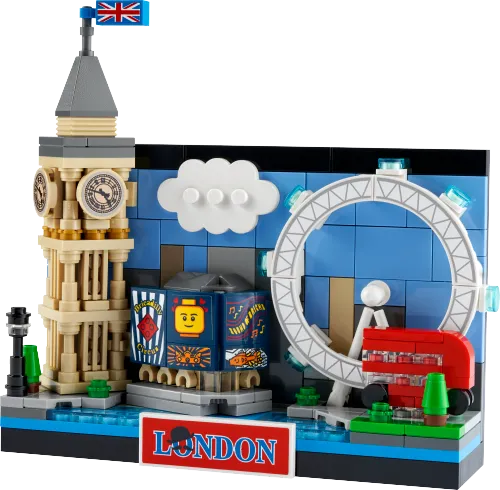
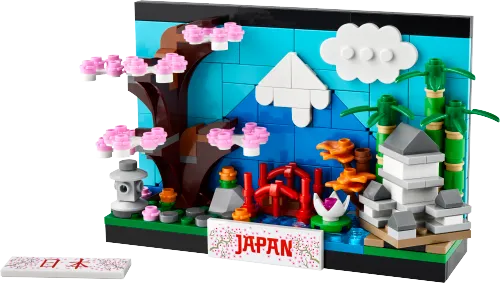
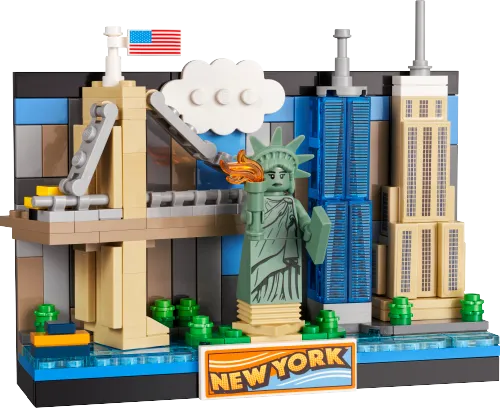
The small tier is dominated by a family of sets that almost nobody has on their radar: the LEGO postcards. They are flat pictures of around 250 bricks that you build in an afternoon and leave on a shelf, and nothing else in the range matches their pieces-to-price ratio:
- Decorative Heart (40638): 254 pieces for 12.99€ — about 19.6 pieces per euro, the best figure in the entire current range.
- London Postcard (40569): 277 pieces for 14.99€ (18.5 pcs/€).
- Japan Postcard (40713): 262 pieces for 14.99€ (17.5 pcs/€).
- New York Postcard (40519): 253 pieces for 14.99€ (16.9 pcs/€).
Why are they so efficient? Because they are almost entirely small basic bricks, with no special pieces or minifigures that push up the tooling cost. And as a gift they work wonderfully in one very specific case: the adult who likes building things but to whom you would not give “a toy”. A postcard of the city where they lived, studied or got married is a gift with a personal meaning for under 15 euros.
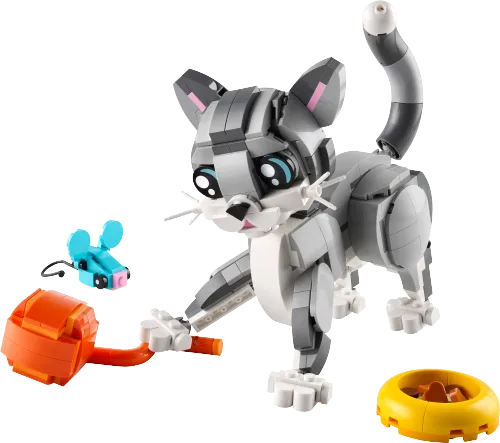
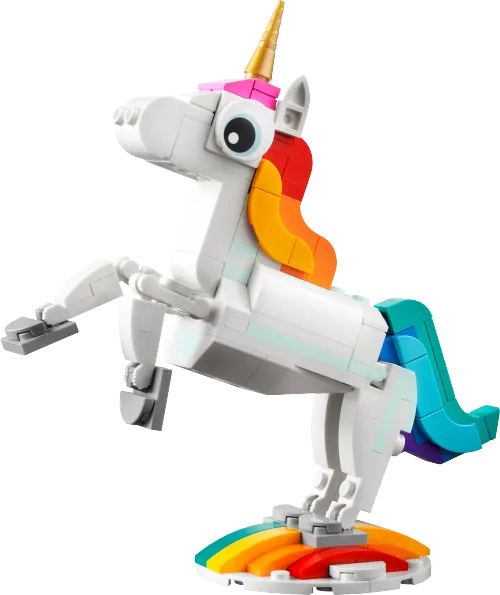
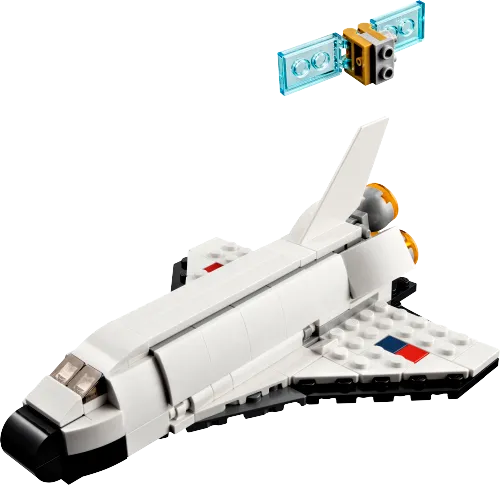
If the recipient is a kid, the king of the tier is another one: the Playful Cat (31163), a 407-piece Creator 3-in-1 for 24.99€ that rebuilds into three different animals. And under 10 euros, the small Creator sets — Magical Unicorn (31140) and Space Shuttle (31134), around 145 bricks for 9.99€ — are the gift for someone else’s child’s birthday that breaks nobody’s bank.
From 25 to 60 euros: where the range is at its best
This is the tier of the “real” gift, and here the ranking leaves a clear lesson: what gives the most brick per euro is not any licensed franchise, it is the Botanicals line and the Classic boxes.
- Bonsai Tree (10281): 878 pieces for 49.99€ (17.6 pcs/€). It has been the go-to gift for adults for years and the figure explains why.
- Wildflower Bouquet (10313): 939 pieces for 59.99€. A bouquet that does not wilt and decorates as well.
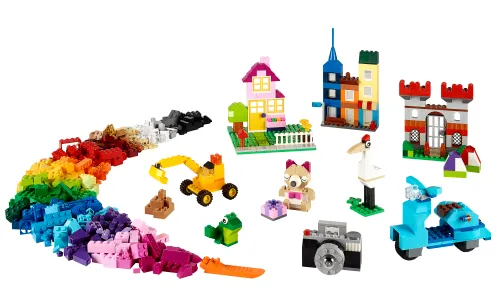
- Large Creative Brick Box (10698): 790 pieces for 49.99€, from 4 years. If you do not know which franchise the child likes, this box is the answer that never fails: it has no franchise.
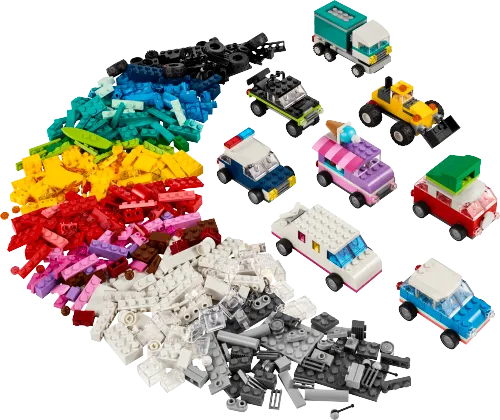
- Creative Vehicles (11036): 900 pieces for 54.99€, the “build things with wheels” version of the same idea.
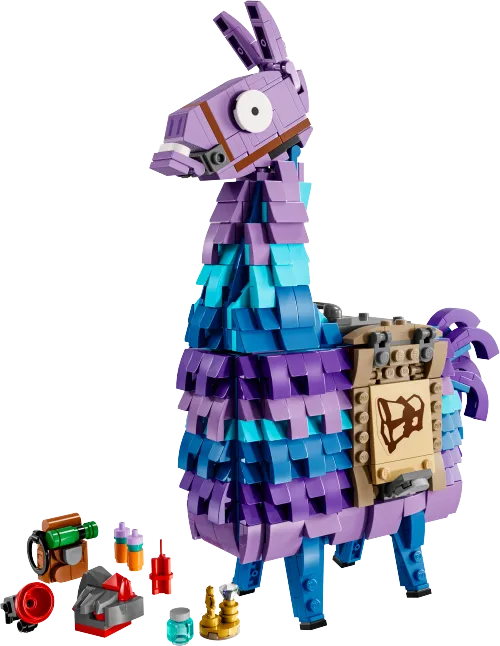
- The surprise of the tier: the Fortnite Supply Llama (77071), 691 pieces for 39.99€ (17.3 pcs/€). It is very rare for a licensed set to climb this high — if the recipient plays Fortnite, it is a sure shot.
- And the Panda Family (31165), 626 pieces for 39.99€, for the midpoint between “adorable animal” and “a build with real substance”.
Notice the pattern: generic bricks and cheap-to-produce flowers give more than ships and castles with unique pieces. It is not chance, it is cost structure.
From 60 to 120 euros: the star gift, with nuances
In the top tier efficiency drops — that is normal, here you pay for large pieces, technical parts and licensing — and the best figure is around 10-11 pieces per euro:
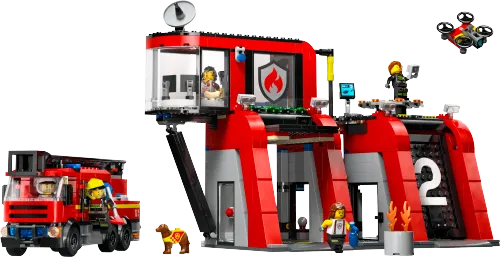
- Fire Station with Fire Truck (60414): 843 pieces for 79.99€, from 6 years. Probably the best euro-for-euro set for a primary-school child in the entire range.
- R2-D2 (75379): 1,050 pieces for 99.99€. Star Wars is almost never efficient; this one is, and it also works just as well for the kid as for the parent.
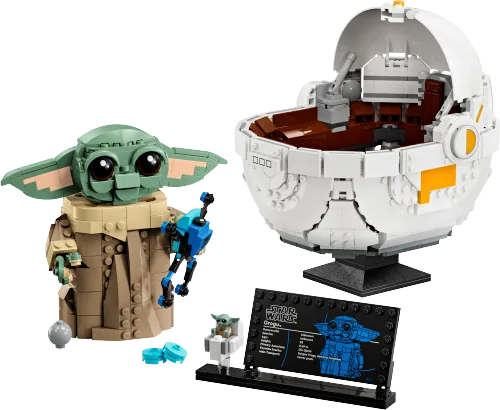
- Grogu with Hover Pram (75403): 1,048 pieces for 99.99€, same figure, a more tender audience.
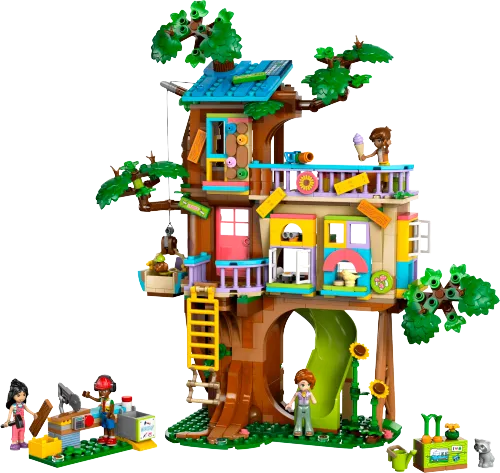
- Friendship Tree House Hangout (42652): 701 pieces for 69.99€ for the Friends universe.
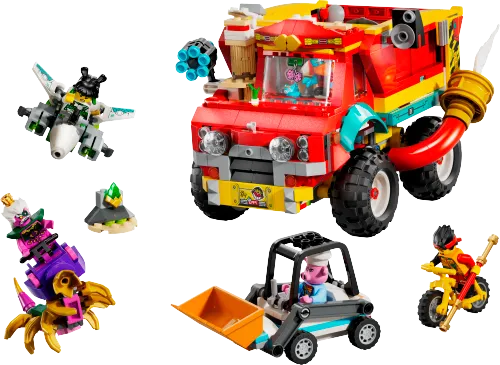
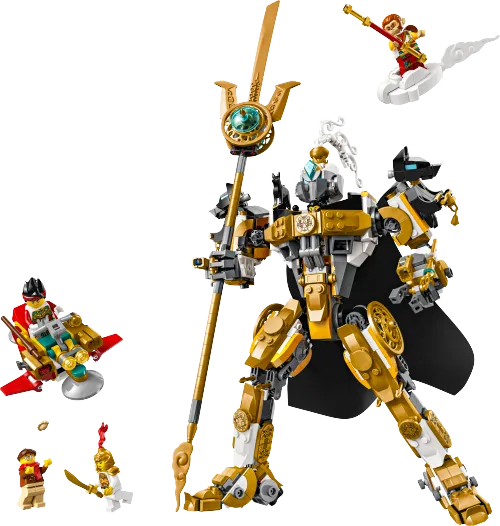
- The Monkie Kid mechs — Powered Truck (80055) and Erlang’s Celestial Mech (80065) — are also around 10 pcs/€ and are among the most spectacular things you can put on a table for under 80 euros.
What pieces per euro do not tell you
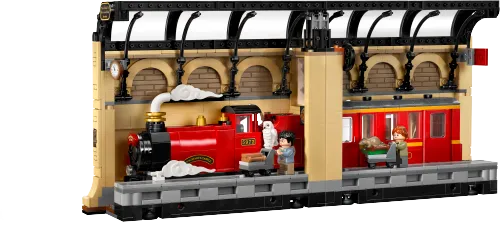
We promised to be honest about the metric, so here are its traps. A piece is not a piece: a 1x1 brick counts the same as a printed helmet or a huge fuselage panel, so sets with tiny pieces (Botanicals, postcards, mosaics) come out ahead. Minifigures do not score: a Harry Potter set with six characters can be a better gift than a generic one with twice the bricks, if the recipient cares about the characters. And the IP costs money: Star Wars or Disney do worse in this table not because they are worse sets, but because part of the price goes to the brand owner.
That is why our recommended use is this: decide franchise and age first (if you are lost there, our guide to giving LEGO without knowing about LEGO solves that in three questions), and use pieces per euro as a tie-breaker between finalists in the same tier. As the only criterion it would lead you to give postcards to everyone, and no.
How to make the most of this in the gift season
The prices in this guide are the LEGO.com official ones — the bar we measure everything against. When Black Friday, Christmas and Epiphany arrive, what changes is not that bar but what marketplaces ask above or below it. That is where the real game is: an efficient mid-tier set bought 15% below the official price is the perfect gift, and the same set with a December markup stops being one. In deals we list only discounts verified against the official price, and on the Epiphany page we lay out the full buying calendar — spoiler: the worst week to buy is exactly the one everybody uses.
A last practical note: all the sets mentioned here have a retirement announced after Epiphany 2027, so there is no artificial rush with any of them. If the one you are interested in is not on this list, check its page — if it shows a close retirement date, the advice changes completely and what you want is the guide to the sets that will not make it to Epiphany.